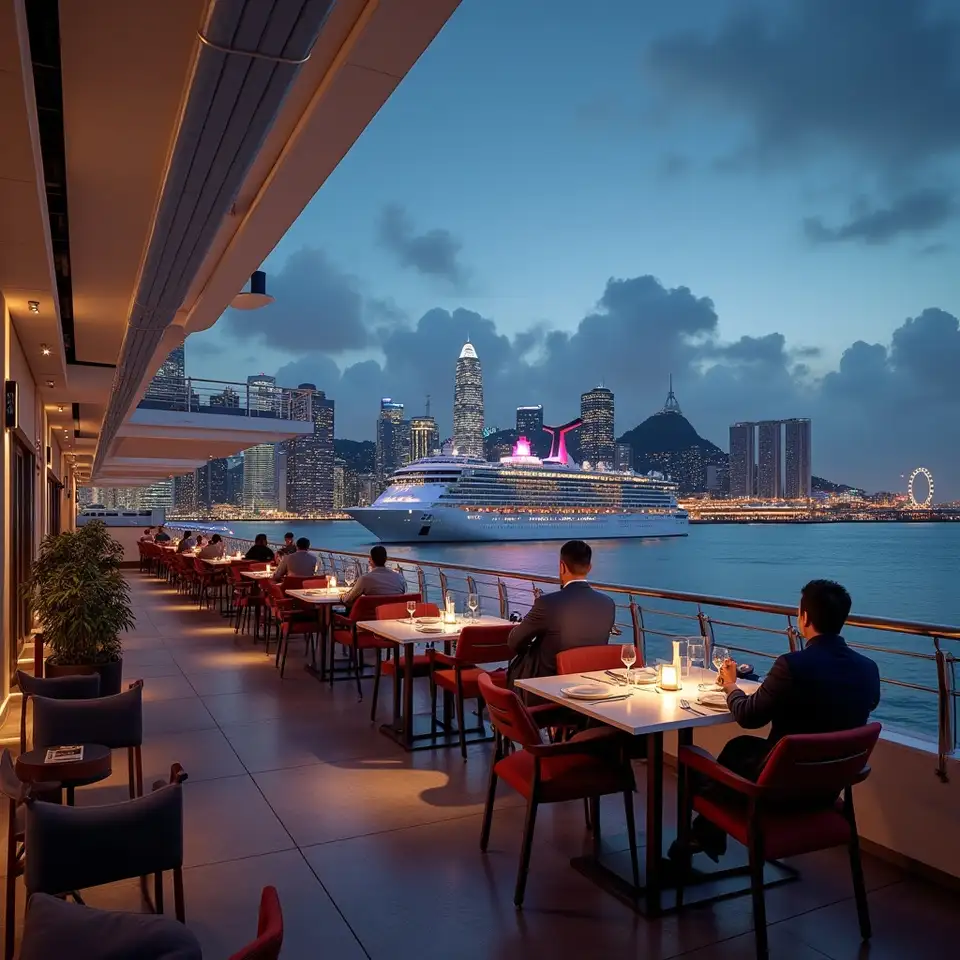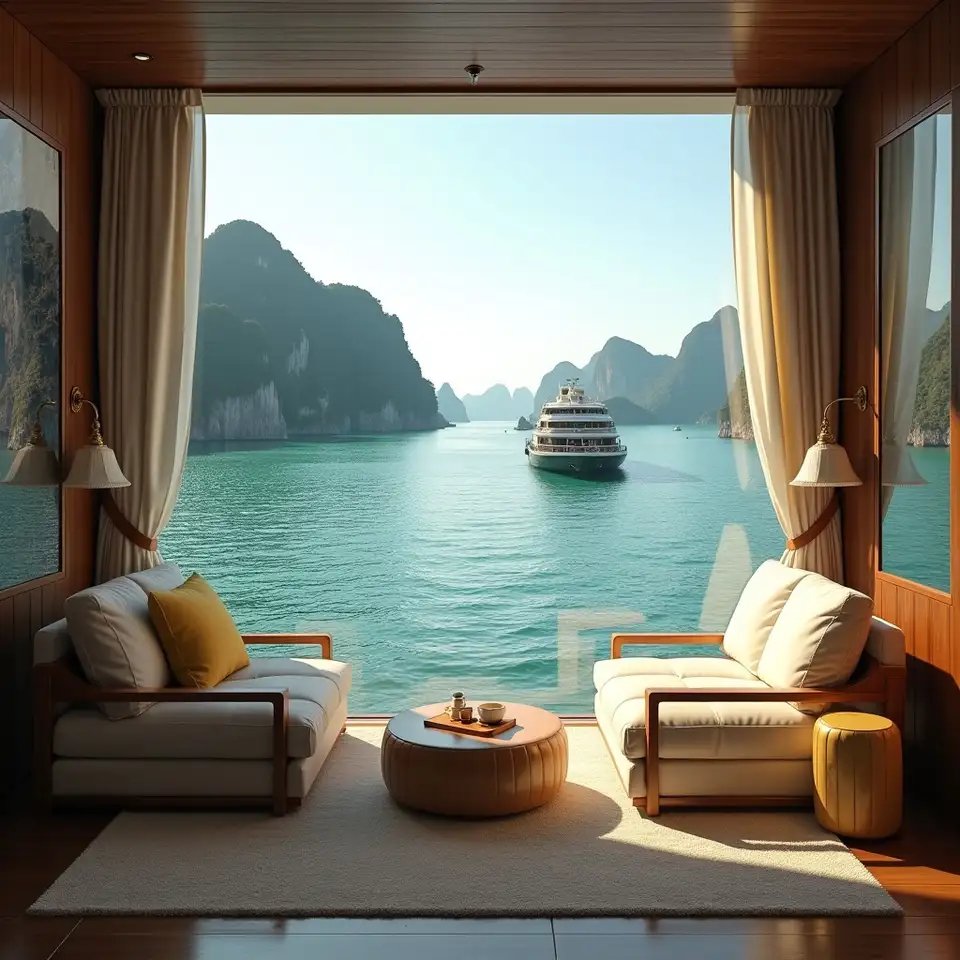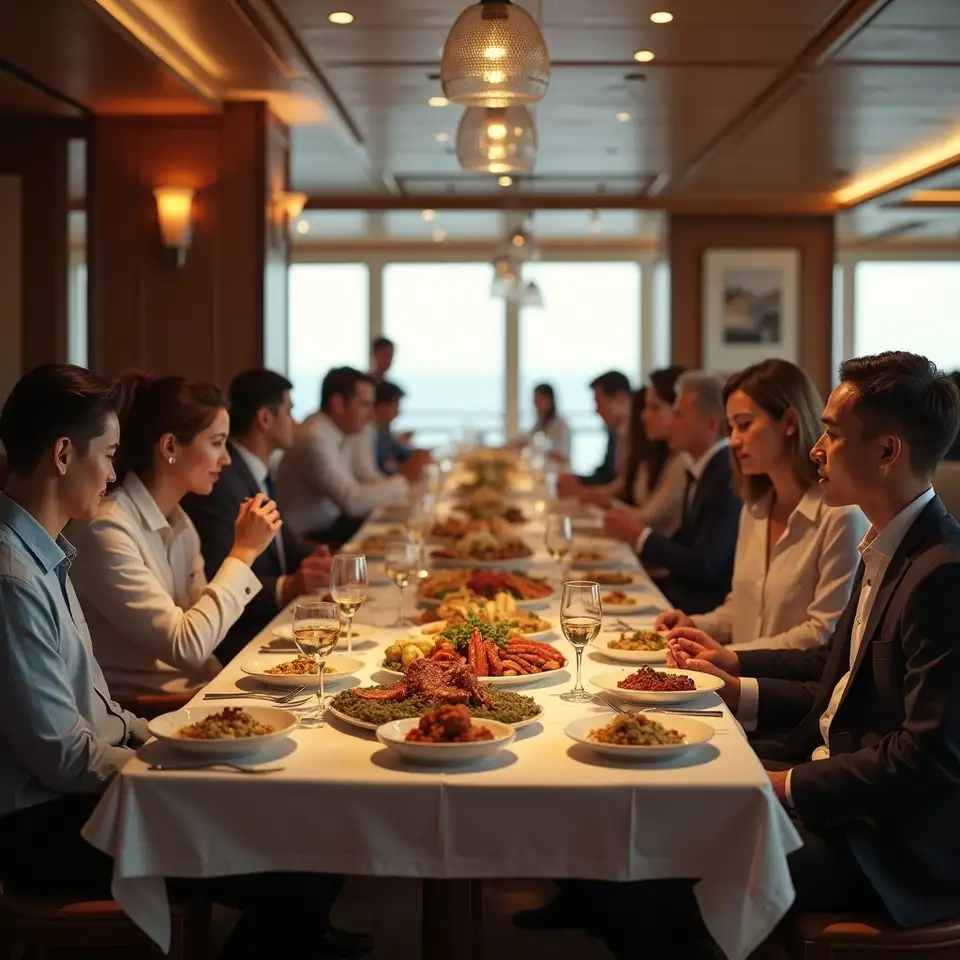
Luxury cruise ship sailing open ocean

Plan Your Voyage

Structured cruise itinerary planning for Malaysian travellers

Selecting a cruise route involves more than choosing a destination. Departure port, vessel class, cabin tier, shore excursion schedule, and onboard amenity access all affect the overall travel experience and total cost per person. At Calovenial, we provide detailed itinerary breakdowns for routes departing from Malaysian ports, including Penang, Port Klang, and Kuala Lumpur Gateway. Each route profile includes a day-by-day port schedule, estimated transit durations, and cabin category comparisons. Our three-step review process — route scoping, cabin selection, and booking confirmation — ensures every detail is documented before any commitment is made. Regional routes typically cover Southeast Asian destinations including Singapore, Thailand, Vietnam, and Indonesia. Long-haul itineraries extend to the Mediterranean, Alaska, and the Norwegian fjords, with connection options from hub ports. All pricing information provided reflects published tariffs at the time of enquiry and is subject to change by the operating cruise line. Results may vary based on availability at the time of booking.

Contact Us
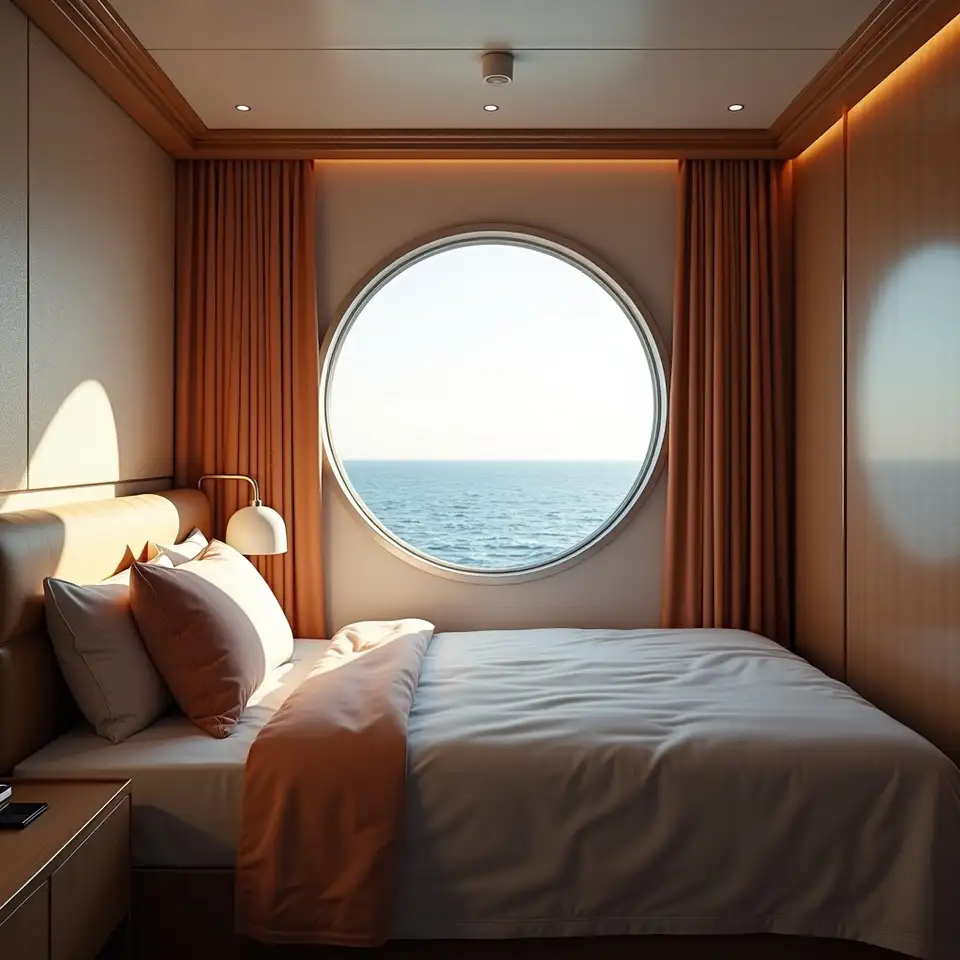

Cruise ship cabin with ocean view

Cabin Selection

Comparing cabin categories across major cruise lines

Cabin category is one of the most consequential decisions in cruise planning. Interior cabins offer the lowest entry price point and suit travellers who prioritise port time over onboard accommodation. Ocean-view and balcony cabins provide natural light and private outdoor access, which matters significantly on longer voyages. Suite-tier accommodation includes dedicated butler service, priority boarding, and access to exclusive dining venues on most major vessels. Our cabin comparison framework maps each category against voyage length, itinerary intensity, and traveller profile to identify the most suitable option. Pricing across categories varies substantially by cruise line, departure season, and booking lead time.
Get Started

Why Cruise Travel

Cruise voyages combine accommodation, dining, and multi-destination access into a single structured itinerary with predictable costs per person.

A cruise itinerary consolidates several travel components — accommodation, meals, entertainment, and inter-port transport — into one booking. For travellers departing from Malaysia, this structure reduces logistical complexity across multi-country Southeast Asian routes. Vessel size determines onboard amenity scope, from small expedition ships with fewer than 200 passengers to mega-liners carrying over 5,000 guests. Route length ranges from two-night short getaways to world cruises exceeding 100 days.

Port Access Efficiency

Cruise itineraries provide structured shore access at multiple ports without repeated hotel check-in and luggage handling processes.

Consolidated Cost Structure

Cabin fares typically include meals, entertainment, and inter-port transit, simplifying total trip cost calculation for travellers.

Route Variety Available

Routes range from short regional hops across Southeast Asia to extended ocean crossings covering multiple continents and seas.

Vessel Class Options

From boutique expedition ships to large resort-style liners, vessel selection shapes the onboard experience and available amenities.

Popular Cruise Routes

Documented itineraries covering regional and long-haul cruise departures from Malaysian ports

What to Assess Before Selecting a Cruise Package

Key evaluation criteria for cruise itinerary and vessel selection

Voyage length is the primary filter in cruise selection. Short voyages of two to five nights suit travellers with limited annual leave or those sampling cruising for the first time. Itineraries of seven to fourteen nights allow meaningful port depth, with time allocated to shore excursions rather than transit alone. Voyages exceeding fourteen nights are classified as extended ocean crossings and require more detailed preparation regarding documentation, medication supply, and onboard financial management.
Vessel size directly affects the port access available on a given itinerary. Mega-liners with passenger capacities exceeding 3,000 are restricted from smaller historic ports and river terminals. Expedition and small-ship vessels access ports that larger cruise ships cannot enter, including remote island anchorages and shallow-draft river systems. Travellers prioritising destination depth over onboard amenity scope typically benefit from smaller vessel selection.

Verify passport validity covers at least six months beyond scheduled return date

Confirm baggage allowance per cabin category before packing for the voyage

Carry sufficient personal medication supply for the full voyage duration plus contingency

Establish onboard account currency and budget for supplementary dining and excursions

Traveller reviewing cruise itinerary documents and passport on desk
Specialist Cruise Route Review
Route documentation reviewed

Cruise Travel Considerations Across Vessel and Route Types