Ocean Route Guide
Regional Routes
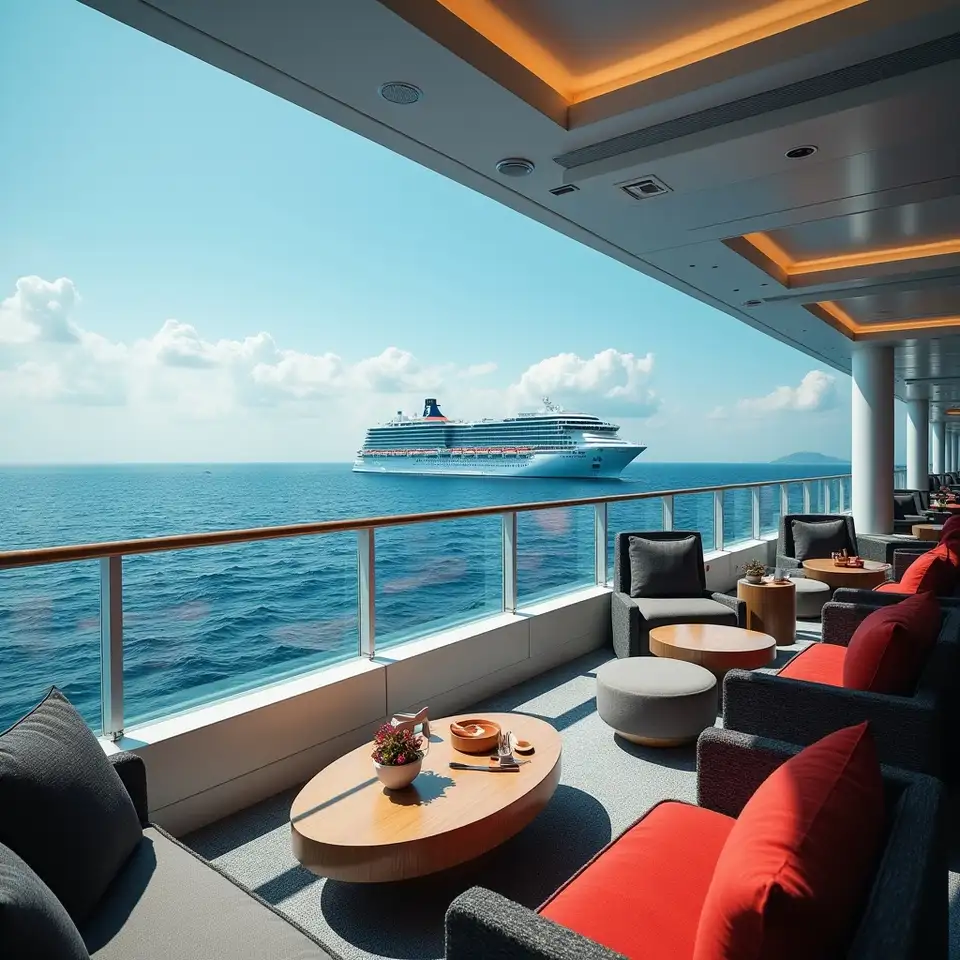
Southeast Asian cruise routes departing from Malaysian ports cover distances achievable within two to seven nights. Key destinations include Phuket, Langkawi, Singapore, Bali, and Ho Chi Minh City. Port call durations on regional itineraries average six to ten hours, sufficient for one structured shore excursion per port. Vessel selection on these routes skews toward mid-size ships with capacities between 1,500 and 3,000 passengers, as port infrastructure in the region supports this range most consistently.
Long-Haul Voyages
Extended ocean itineraries connect Malaysian departure points to the Mediterranean, Northern Europe, Alaska, and the Pacific Islands. These voyages typically require fly-cruise combinations, with travellers connecting to primary hub ports in Dubai, Singapore, or Sydney. Voyage lengths range from 14 to 35 nights for most long-haul itineraries. Transit sea days form a significant portion of the schedule and should be factored into the onboard experience assessment before booking commitment is made.

Cabin Categories
Understanding cabin tier differences across major cruise lines
Cabin selection on a cruise vessel is functionally different from hotel room selection.
Interior cabins occupy the lowest price tier and have no natural light source, making
them better suited to itineraries with long port days where cabin time is minimal.
Ocean-view cabins provide a fixed window, while balcony cabins add private outdoor space
— a meaningful distinction on sea-day-heavy itineraries. Suite categories vary
significantly between cruise lines: entry-level suites may simply offer a larger floor
plan, while top-tier grand suites include private dining, butler service, and exclusive
lounge access. On premium and luxury-tier vessels, suite fares typically include all
dining venues, premium beverages, and pre-paid gratuities within the base rate.
Confirming the exact inclusions per cabin category before comparing prices across cruise
lines is essential, as the base fare structure differs substantially between mass-market
and premium operators. All pricing reflects published tariffs and is subject to change
by the operating cruise line. Results may vary based on availability at the time of
booking.
Get Started
Cruise Planning Reference Guide for Travellers
Planning a cruise from Malaysia involves more documented decisions than a standard hotel-and-flight itinerary. Vessel class, route length, cabin tier, dietary requirements, shore excursion scheduling, and documentation compliance all require confirmation before departure. This reference guide addresses each planning stage in sequence, providing factual reference points for travellers at any stage of the decision process.
Key Planning Topics Every Cruise Traveller Should Review
- Passport and Visa Requirements for Cruise Itineraries: International cruise itineraries require a valid passport with a minimum of six months validity beyond the scheduled return date. Visa requirements apply per country of port call, not per voyage. Malaysian passport holders benefit from strong regional visa-free access, but longer itineraries passing through Europe, Alaska, or the Pacific may include ports requiring advance visa applications. Confirming visa status per port before booking prevents disembarkation restrictions at specific stops.
- Travel Insurance Scope for Ocean and River Voyages: Standard travel insurance policies frequently exclude cruise-specific scenarios. Missed port departures caused by delayed shore excursions, itinerary diversions due to weather, and onboard medical treatment at private rates are common exclusions in general policies. A cruise-specific policy rider or dedicated cruise insurance product addresses these gaps. Medical evacuation coverage is particularly relevant for ocean voyages operating far from coastal hospitals and specialist facilities.
- Onboard Account Management and Currency Planning: Most ocean-going cruise vessels operate a cashless account system. Charges for specialty dining, spa treatments, shore excursions booked onboard, and beverage packages accumulate against a registered card. The account currency is typically USD regardless of the vessel's home market. Malaysian travellers should factor currency conversion costs into their onboard budget estimate and confirm whether their card issuer applies foreign transaction fees on cruise ship merchant charges.
- Shore Excursion Booking Methods and Risk Allocation: Shore excursions can be booked through the cruise line before or during the voyage, or arranged independently at each port. Cruise line-organised excursions carry a schedule guarantee: vessels typically hold departure for confirmed ship-booked tours. Independent excursions transfer schedule risk to the traveller. If an independent tour runs late and the vessel has reached its departure window, the traveller is responsible for meeting the ship at the next port of call.
- Dietary and Medical Requirements Declaration Process: Dietary requirements including halal, vegetarian, vegan, gluten-free, and allergy-specific meal preparation must be declared at the time of booking, not at embarkation. Cruise line galleys operate large-scale production schedules, and late-declared requirements cannot always be accommodated with the same consistency across all onboard dining venues. Medical equipment requirements such as CPAP machines, mobility aids, and refrigerated medication storage should also be declared at booking to ensure cabin and facility arrangements are confirmed.
- Embarkation Day Logistics and Check-In Windows: Cruise terminal check-in windows typically open three to four hours before scheduled vessel departure and close 60 to 90 minutes prior to sailing. Arriving outside this window, particularly after the close time, may result in denied boarding with no fare refund obligation from the cruise line. Travellers connecting from domestic or international flights on embarkation day should allow sufficient buffer time and consider booking travel arrangements for the prior evening to eliminate connection risk.
What This Guide Covers
This page documents the practical considerations involved in planning a cruise
voyage from Malaysia. It covers route categories, cabin tier structures,
documentation requirements, insurance scope, and onboard financial management. The
information is structured to support travellers comparing options across multiple
cruise lines and voyage lengths, from two-night regional trips to extended ocean
crossings exceeding 20 nights.
Why Accurate Pre-Booking Information Reduces Onboard Costs
Undeclared requirements and unreviewed inclusions are the most common sources of unexpected expenditure on cruise voyages. Travellers who confirm dining inclusions, cabin amenity scope, shore excursion pricing, and onboard account currency before boarding consistently report fewer billing surprises at voyage end. Our review process documents each variable before booking confirmation is issued.
Cruise Route Highlights
Key departure regions and destination profiles for Malaysian cruise travellers



Cruise Line Tier Overview
Understanding how cruise lines are categorised by product tier helps travellers match
vessel selection to budget and onboard experience expectations accurately.
The cruise industry segments its product offering across four broadly recognised tiers: mass-market, premium, luxury, and expedition. Mass-market lines carry the highest passenger volumes and compete primarily on price, offering a wide range of onboard activities and dining options within a structured fare system. Premium lines reduce passenger density, increase cabin sizing, and provide more inclusive fare structures. Luxury lines operate smaller vessels with high crew-to-passenger ratios, fully inclusive fares, and curated itineraries. Expedition lines prioritise destination access over onboard amenity scale, deploying smaller ice-class or shallow-draft vessels to locations inaccessible to larger ships.
Mass-Market Cruise Lines
High-capacity vessels with competitive base fares and extensive onboard activity programming suited to first-time cruisers.
Premium Cruise Lines
Reduced passenger density, larger average cabin size, and broader fare inclusions distinguish premium lines from mass-market operators.
Luxury Cruise Lines
Fully inclusive fares, high crew-to-passenger ratios, and smaller vessel sizes define the luxury cruise product tier globally.
Expedition Cruise Lines
Specialist vessels built for remote destination access, carrying fewer passengers with expert naturalist or historian guides onboard.
How to Compare Cruise Packages Before Committing to a Booking
A structured comparison framework reduces booking errors and unexpected costs
Comparing cruise packages requires a consistent framework applied across all options under consideration. Base fare comparisons are misleading without confirming what each fare includes. A lower base fare that excludes dining, gratuities, and port charges can exceed a higher all-inclusive fare once supplementary costs are calculated. The comparison framework used at Calovenial maps each fare component — accommodation, meals, beverages, gratuities, port charges, and shore excursions — against a standardised per-night cost metric to produce an accurate total cost per person figure.
Departure date flexibility materially affects fare pricing on most cruise lines. Itineraries departing outside school holiday periods and peak travel seasons carry lower fares for identical cabin categories. For Malaysian travellers, this typically means avoiding school holiday windows in June, November, and December, as well as the Chinese New Year period. Booking lead time also affects pricing: most cruise lines operate tiered early-booking discount structures that reduce per-cabin fares for reservations made six to twelve months in advance of departure.
Map all fare inclusions before calculating per-night cost comparisons across cruise lines
Identify low-demand departure windows to access lower fares on identical itineraries
Book at least six months in advance to access early-booking fare reductions consistently
Confirm documentation requirements per port before finalising any international itinerary
Review travel insurance policy exclusions for cruise-specific scenarios before purchasing cover

Three-Step Itinerary Review Process
Scope, select, confirm
Frequently Asked Questions on Cruise Travel from Malaysia

What documents do I need at embarkation?
A valid passport with at least six months remaining validity beyond your return
date is required for all international itineraries. Some voyages also require
visa documentation per port of call. Cruise line booking confirmation, travel
insurance policy documentation, and any pre-purchased shore excursion vouchers
should be carried in physical or accessible digital format.

Are meals included in the cruise fare?
Main dining room access and buffet service are included in the base fare on most
mass-market and premium cruise lines. Specialty restaurants typically carry a
supplementary per-cover charge ranging from USD 25 to USD 75 per person.
Luxury-tier vessels generally include all dining venues within the base fare.
Confirming dining inclusions per cruise line before booking prevents unexpected
onboard expenditure.

How do shore excursions work on a cruise?

What is internet connectivity like onboard?
Satellite-based internet connectivity is available on most modern cruise vessels
but operates at lower speeds than land-based broadband infrastructure. Packages
are sold in blocks of minutes or data volume and are not typically included in
standard base fares. Connectivity quality degrades in remote ocean areas far
from satellite coverage zones. Travellers with work obligations during the
voyage should test connectivity expectations against the published itinerary
route.

What currency is used onboard a cruise ship?
Most ocean cruise vessels operate onboard accounts in USD, regardless of the
ship's registered home market or departure region. All supplementary charges
accumulate against a registered credit or debit card linked at embarkation.
Malaysian travellers should confirm their card issuer's foreign transaction
fee policy before departure, as all onboard merchant charges are processed in
USD through international payment systems.